
JOÃO NEVES
CEO · CTO · AI BUILDER
FOUNDER STORY / 2003–2019
I started with €10,000 in debt.
16 years later, I sold the company.
No investors.
No accelerator.
No large team waiting for me.
I started building Flexi in 2003.
By the time I exited in October 2019, it had become a technology company with more than 30 employees, around 2,000 customers and its own production infrastructure.
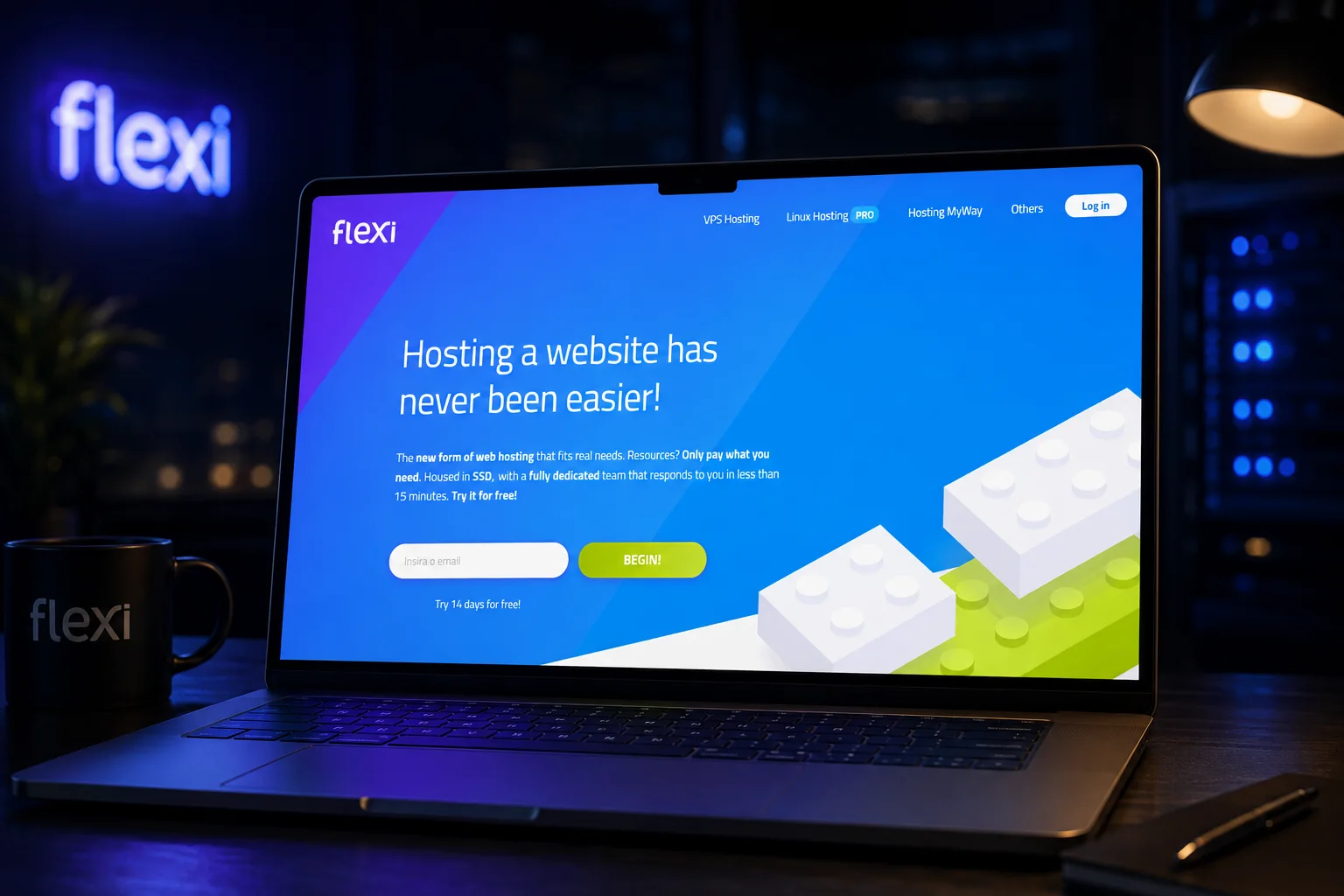
In the beginning, I was the company.
There was no product department.
No infrastructure department.
No marketing department.
No support department.
There was me.
I designed the website.
Configured servers.
Answered customers.
Worked on SEO.
Ran advertising.
Sold the services.
Managed infrastructure.
Looked after the money.
And when something broke, there wasn't another department to blame.
That was useful.
Because you learn very quickly that a business isn't a collection of departments.
It's one system.
- A technical problem becomes a support problem.
- A bad product becomes a sales problem.
- Bad infrastructure becomes a retention problem.
- Bad marketing simply helps more people discover a bad offer.
The servers were real.
Flexi wasn't a website sitting on someone else's SaaS product.
We operated our own infrastructure across several racks in a Portuguese data center.
When infrastructure failed, customers noticed.
That changes the way you think about technology.
Reliability stops being a slide in a presentation.
It becomes something someone calls you about.
Then I had to stop doing everything myself.
A founder doing everything can start a company.
He cannot scale one.
As Flexi grew, I recruited people and started building actual departments.
Development.
Technical support.
Sales.
Marketing.
Administration.
Eventually, more than 30 people worked in the company.
My job changed.
Less fixing every problem personally.
More deciding which problems deserved solving.
Hiring people.
Managing people.
Setting prices.
Planning infrastructure investments.
Negotiating partnerships.
Watching cash.
Running marketing.
Defining products.
And making sure all those decisions still belonged to the same business.
We couldn't win by being bigger.
The international hosting companies had more money.
More infrastructure.
More people.
More purchasing power.
Trying to beat them at their own game would have been stupid.
So we competed where a smaller company could move faster.
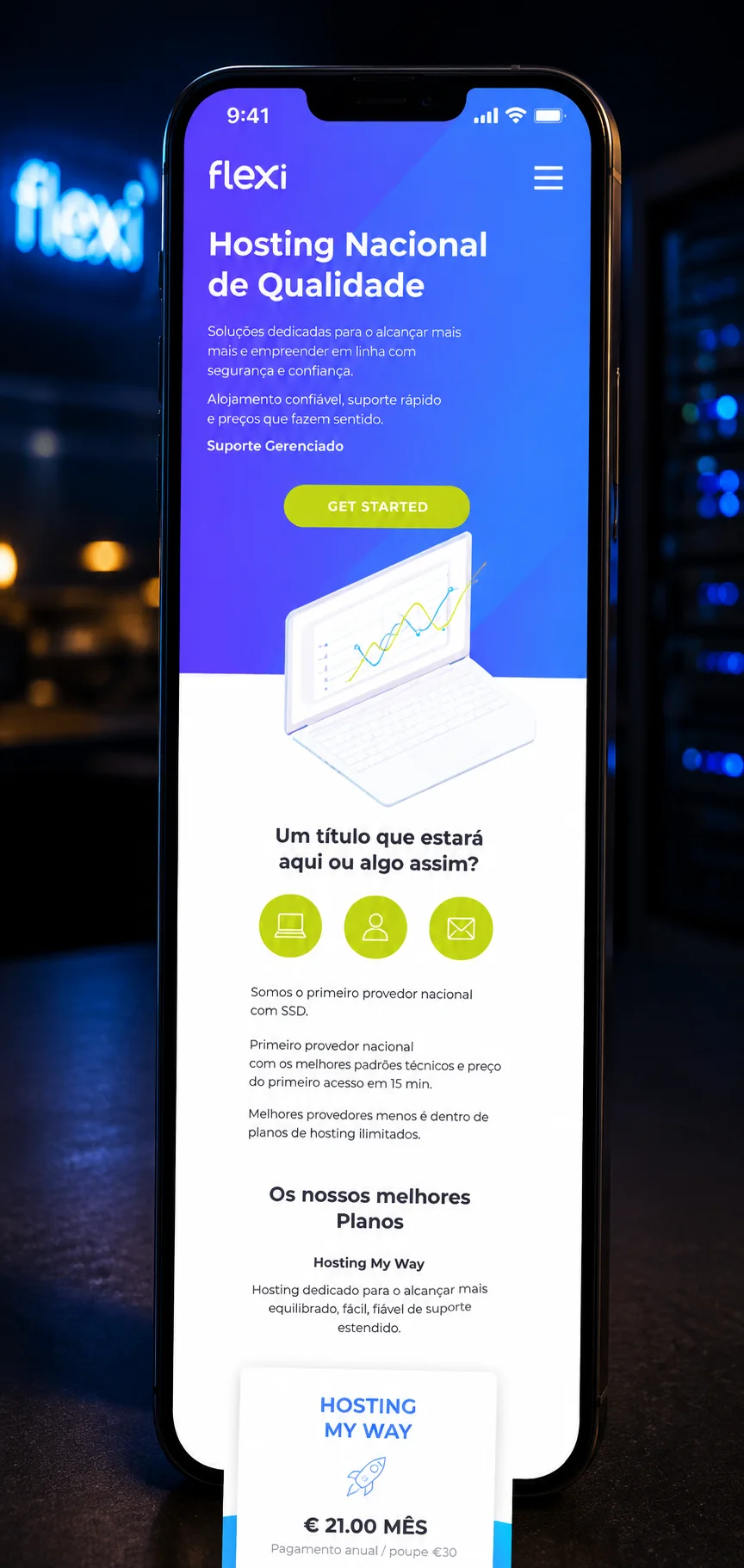
Flexi became the first Portuguese hosting provider to offer SSD-based hosting.
We were also early in gaming infrastructure.
We expanded from traditional hosting into VPS, dedicated servers, domains, email, managed services and business email.
Not every experiment became important.
That's another useful thing you learn after enough years:
Innovation isn't adding more things.
It's finding the few things customers actually care about.
Ten minutes can be a competitive advantage.
Hosting customers usually contact support when something has already gone wrong.
Their website is down.
Email isn't arriving.
Something broke.
At that moment, nobody wants a ticket number and a promise to hear back tomorrow.
We implemented Zendesk and engineered support around speed.
Our approximate first-response time reached 10 minutes.
That wasn't a marketing slogan.
It was an operational decision.
And operational decisions are often where competitive advantage actually lives.
At some point, my job wasn't hosting anymore.
It was running a company.
You begin to see how one decision moves through the entire organisation.
- Cut costs in the wrong place and support gets worse.
- Build the wrong feature and sales doesn't care.
- Hire too early and cash disappears.
- Hire too late and execution slows down.
- Spend more on advertising before fixing the offer and you simply lose money faster.
This is the part of building companies that doesn't fit neatly into a job title.
And then the market changed.
By the late 2010s, European hosting was consolidating rapidly.
Large groups were buying independent providers.
Traditional hosting was becoming increasingly commoditized.
I could have pretended nothing had changed.
Founders are very good at doing that.
We can spend years building something and then confuse attachment with strategy.
I didn't want to do that.
I concluded that the right decision wasn't another product.
It was an exit.
Knowing when to build matters.
Knowing when to sell matters too.
I approached the consolidating group that became team.blue.
In October 2019, the acquisition was completed.
The customer base, infrastructure and brand were acquired.
I had started preparing the company around June 2003.
No investors.
Approximately €10,000 in initial debt.
Sixteen years later, I exited.
Flexi taught me something AI can't.
I build very differently today.
In 2003, doing almost anything meaningful in technology required more people.
AI has changed that equation dramatically.
One experienced person can now execute work that once required several specialists — if they know what should be built in the first place.
But AI doesn't tell you which problem is worth solving.
It doesn't automatically understand why customers leave.
It doesn't know whether the problem is the product, the marketing or the operation around it.
And it definitely doesn't know when you should stop building and sell the company.
Experience still matters.
AI gives me more leverage.
Flexi gave me the experience to know where to apply it.
That's the difference.
I don't approach AI as a collection of tools looking for somewhere to be used.
I start with the business.
Then I work out where technology can actually change the equation.
That was useful before AI.
It's considerably more useful now.
You probably don't need another 16-year lesson.
I already paid for mine.
In servers.
People.
Bad decisions.
Good decisions.
Customers.
Growth.
Competition.
And eventually an exit.
Now I combine that experience with AI, automation and the ability to build extremely fast.
If you're building something new, fixing something expensive, or trying to understand where AI can genuinely change your business, we should probably talk.